Hover Racer Drive is a fast-paced racing game where you fly a spaceship through a computer-generated world whilst steering clear of obstacles appearing throughout your voyage, with points earned by flying through colored hoops creating scoring-objectives beyond pure survival throughout this futuristic endless-runner testing reflexes and spatial-awareness. The game gets more and more challenging the further you progress into the journey, with speed and obstacles progressively increasing ensuring difficulty-escalation maintains engagement as fundamental-skill mastery enables early-success while later-stages demand expert-level precision preventing premature overwhelming or late-game tedium throughout balanced progression-curve. Navigate the computer-generated environments where procedural-level design creates unique experiences preventing repetitive memorization-based gameplay, with algorithmic-generation ensuring continuous-novelty as patterns vary between attempts demanding genuine adaptive-skills rather than rote-learned sequence-reproduction throughout dynamically-generated challenge-sequences. Master simple arrow-key or WASD controls moving the spaceship through three-dimensional space, with straightforward input-scheme ensuring immediate accessibility while genuine skill-ceiling emerges through precision-maneuvering and split-second decision-making separating casual participants from high-score achievers throughout accessible-yet-demanding control-design. Fly through rings gaining points creating dual-objectives where survival and scoring compete for attention as optimal-routing maximizes ring-collection while conservative-paths prioritize obstacle-avoidance creating tension between aggressive point-pursuit and defensive survival-focus throughout risk-reward calculations determining whether aggressive-scoring justifies crash-risk or whether conservative-survival accepts lower-scores throughout strategic gameplay-decisions balancing competing priorities across this progressive-difficulty spaceship-racer where reflexes, spatial-reasoning, and risk-management determine how far you can journey before inevitable-collision.
Gameplay & Objective
In Hover Racer Drive, you pilot a spaceship through computer-generated worlds avoiding obstacles and flying through hoops for points. Your goals include surviving as long as possible steering clear of obstacles preventing crashes, flying through colored rings earning points demonstrating routing-precision, adapting to progressive difficulty-increases as speed and obstacles escalate, and achieving high-scores through sustained survival combined with aggressive ring-collection across this endless-runner where reflexes, spatial-awareness, risk-assessment, and adaptive-maneuvering determine whether you achieve impressive distance-milestones and point-totals before progressive-difficulty overwhelms capabilities throughout this computer-generated spaceship-challenge testing comprehensive flying-skills.
- Navigate three-dimensional space using arrow keys or WASD controlling spaceship-movement through up-down-left-right directional-inputs, with 3D-navigation creating spatial-challenge where obstacles appear throughout volumetric-space rather than flat-plane requiring comprehensive dimensional-awareness as threats emerge from multiple-angles demanding omnidirectional-vigilance throughout three-dimensional obstacle-fields that 2D-games simplify through restricted threat-vectors throughout complex spatial-navigation demanding depth-perception and volumetric-reasoning.
- Avoid collision with obstacles steering clear of barriers appearing throughout voyage, with obstacle-avoidance representing fundamental-survival requirement as any collision ends attempts immediately creating unforgiving consequence-stakes where single-mistake negates entire-run regardless of previous-success demanding sustained concentration preventing momentary-lapses that catastrophic-crashes punish throughout zero-tolerance collision-mechanics eliminating gradual-damage systems that forgiveness would provide through instant-failure maintaining tension.
- Fly through colored rings collecting point-rewards demonstrating routing-precision, with ring-flying creating scoring-layer beyond survival as optimal-pathing threads through hoops maximizing points while avoiding obstacles creating navigational-puzzle where efficient-routing collects rings without excessive-risk throughout tactical path-planning balancing point-collection against crash-avoidance determining whether aggressive-routing justifies danger or whether conservative-paths accept fewer-rings throughout strategic risk-reward calculations.
- Adapt to progressive difficulty facing escalating speed and obstacle-density as journey continues, with difficulty-increase ensuring early-accessibility develops fundamental-skills while later-stages demand expert-precision through systematic challenge-escalation that accumulated-player-skill matches throughout balanced progression preventing premature-difficulty spikes overwhelming beginners while maintaining challenge for experienced-players as speed-acceleration and obstacle-multiplication create genuine late-game intensity testing comprehensive mastery.
- Navigate computer-generated worlds experiencing procedural-level design creating unique patterns, with algorithmic-generation ensuring continuous-novelty preventing repetitive memorization-based strategies as varied-configurations demand genuine adaptive-skills rather than rote-sequence reproduction throughout dynamic-challenge preventing the memorization-staleness that static-levels eventually produce through pattern-repetition that procedural-generation eliminates through algorithmic-variety throughout perpetual-novelty maintaining engagement across extended-sessions.
- Maintain spatial-awareness constantly tracking obstacles and rings simultaneously throughout three-dimensional environment, with comprehensive awareness proving essential as threats appear from multiple-directions while ring-opportunities require recognition demanding divided-attention managing survival-necessity and scoring-opportunity identification throughout multitasking-challenge where single-focus proves insufficient as both obstacle-tracking and ring-spotting require simultaneous-processing throughout cognitive-load testing attention-capacity beyond simple single-task focus.
Key Features & Highlights
- Progressive Difficulty Escalation: Experience systematic challenge-increase through speed-acceleration and obstacle-multiplication as journey progresses, with difficulty-scaling ensuring early-accessibility develops fundamental-skills while later-stages demand expert-precision throughout balanced progression-curve matching accumulated-player-skill preventing premature-overwhelming through gradual-intensity building maintaining appropriate-challenge throughout journey-duration as systematic-escalation creates natural difficulty-arc from accessible-beginning to genuinely-challenging late-stages testing comprehensive mastery.
- Computer-Generated Worlds: Navigate procedurally-designed environments creating unique patterns preventing memorization-strategies, with algorithmic-generation ensuring continuous-novelty as level-configurations vary between attempts demanding genuine adaptive-skills rather than rote-sequence reproduction throughout dynamic-challenge where procedural-variety maintains engagement preventing the memorization-staleness that static-levels eventually produce through pattern-repetition that algorithmic-generation eliminates throughout perpetual-novelty across extended-sessions.
- Three-Dimensional Navigation: Pilot through volumetric-space requiring comprehensive spatial-awareness and depth-perception, with 3D-environment creating complex navigational-challenge where obstacles appear throughout spatial-volume rather than restricted-planes demanding omnidirectional-vigilance as threats emerge from multiple-angles throughout three-dimensional obstacle-fields that 2D-simplification eliminates through restricted threat-vectors throughout authentic spatial-challenge demanding dimensional-reasoning beyond flat-navigation.
- Dual Survival-Scoring Objectives: Balance obstacle-avoidance with ring-collection creating strategic tension, with competing-priorities forcing risk-reward calculations where aggressive ring-pursuit increases crash-risk while conservative-survival accepts lower-scores throughout tactical-decisions determining whether point-maximization justifies danger or whether survival-priority sacrifices scoring-opportunities throughout strategic gameplay-layer beyond single-dimensional survival-only challenge adding depth through competing-objectives demanding prioritization-judgment throughout multifaceted challenge-design.
- Simple Accessible Controls: Master straightforward arrow-key or WASD inputs enabling immediate-playability, with control-simplicity ensuring anyone understands basic-mechanics while genuine skill-ceiling emerges through precision-maneuvering and split-second decision-making separating casual-participants from high-score achievers throughout accessible-yet-demanding design where entry-barrier remains minimal though mastery-requirements prove substantial throughout balanced accessibility-depth creating broad-appeal across skill-levels from beginners to experts.
- Fast-Paced Intensity: Experience high-speed spaceship-racing creating adrenaline-charged gameplay, with velocity-emphasis delivering immediate-excitement through rapid-movement and quick-reactions demanded throughout intense-pacing that relaxed-contemplation opposes creating visceral-engagement where speed generates inherent-tension and excitement throughout high-velocity experience that slow-paced games cannot replicate through deliberate-speed that action-genre naturally emphasizes throughout energetic fast-paced design.
- Endless-Runner Format: Enjoy unlimited-potential through format where runs continue until failure, with endless-structure creating "just one more try" addictive-quality as immediate-restart accessibility following failures enables persistent-attempts chasing personal-bests throughout compelling retry-loop where failure motivates improvement-attempts rather than discouraging abandonment through seamless-restart mechanics maintaining engagement despite repeated-failures throughout addictive endless-challenge format encouraging sustained-play sessions.
Gameplay Objectives
- Launch spaceship into computer-generated world
- Navigate three-dimensional space using controls
- Steer clear of obstacles avoiding collisions
- Fly through colored rings earning points
- Adapt to increasing speed as journey progresses
- Navigate growing obstacle-density
- Survive as long as possible
- Maximize score through ring-collection
- Challenge personal-best distance and points
Objective: Fly spaceship through computer-generated worlds avoiding obstacles and collecting rings for points. Adapt to progressive speed and obstacle-increases surviving as long as possible achieving high-scores through reflexes and spatial-awareness!
Strategy Session
- Prioritize obstacle-avoidance over ring-collection during initial learning-phases, as survival-consistency provides better long-term score-potential through extended-runs than aggressive ring-pursuit that premature-crashes interrupt preventing the sustained-duration where accumulated-points eventually exceed brief aggressive-attempts throughout survival-first approach enabling score-maximization. Greedy beginners chase every ring thinking collection maximizes scores, but this approach produces premature-crashes from aggressive-routing that survival-focus would prevent. Instead, initially prioritize conservative obstacle-avoidance accepting missed-rings building survival-consistency—once sustained-survival capability develops through crash-reduction, then gradually introduce selective ring-collection that established-baseline supports rather than attempting comprehensive-collection before fundamental-survival mastery develops. Sequential survival-then-collection produces superior overall-scores than simultaneous-objectives during skill-deficient learning-phases throughout strategic progression-approach where foundation-building precedes optimization-refinement.
- Maintain centered positioning during early-stages reserving peripheral-space as emergency-maneuvering room, as center-bias provides maximum-options for obstacle-avoidance whereas edge-positioning eliminates directional-escape routes trapping you when obstacles require evasion-movements that positional-constraints prevent throughout spatial-positioning strategy maximizing tactical-flexibility. Edge-dwelling players hug boundaries thinking corner-routes help, but this approach eliminates escape-options when obstacles require directional-evasion that boundary-proximity prevents. Instead, deliberately maintain center-positioning during manageable-sections preserving peripheral-space as emergency-room—centered-position enables four-directional-evasion whereas edge-locations restrict movement-options limiting tactical-responses to obstacles. Center-bias converts from arbitrary-preference into strategic-positioning as tactical-flexibility proves more-valuable than marginal routing-efficiency that edge-paths provide throughout positioning-strategy prioritizing options-preservation over minor-optimization.
- Focus visual-attention on middle-distance space approximately 3-5 obstacles ahead rather than immediate-proximity, as forward-looking vision provides critical advance-warning about upcoming obstacle-patterns enabling proactive route-planning that near-focus cannot provide through insufficient anticipation-time for optimal path-selection during high-speed navigation. Short-sighted players watch immediate-surroundings reacting only when obstacles arrive beside them, but myopic-focus eliminates advance-warning preventing route-planning for upcoming-sequences. Instead, train eyes focusing middle-distance space where you observe several upcoming-obstacles—this forward-vision reveals obstacle-configurations and ring-placements enabling mental-preparation and routing-decisions before reaching decision-points converting reactive-scrambling into calm-anticipatory navigation where you've planned movements before obstacles arrive throughout visual-technique transforming chaos into controlled-progression that near-focus watching cannot achieve.
Hover Racer Drive delivers intense fast-paced spaceship-racing where progressive-difficulty and computer-generated worlds create engaging endless-runner challenge, rewarding reflexes, spatial-awareness, and strategic risk-management across three-dimensional obstacle-navigation. Ready to master high-speed flying, balance survival with ring-collection, and prove your piloting-skills can achieve impressive distance-milestones and high-scores? Start your spaceship journey now!
Progressive Difficulty System
Escalation Mechanics
- Speed progressively increases throughout journey
- Obstacle-density multiplies as game continues
- Systematic challenge-escalation matching skill-development
- Early-accessibility transitioning to expert-demands
- Balanced progression preventing premature-overwhelming
Challenge Evolution
- Fundamental-skills suffice for early-stages
- Expert-precision required for late-game survival
- Natural difficulty-arc from accessible to intense
- Gradual-intensity building appropriate challenge
- Comprehensive mastery-testing through escalation
Scoring System
Ring Collection
- Fly through colored hoops earning points
- Demonstrates routing-precision beyond survival
- Scoring-layer creating dual-objectives
- Risk-reward calculations balancing collection and safety
- Strategic routing maximizing points without crashes
Point Strategy
- Prioritize survival-consistency for long-term scores
- Selective ring-collection after survival-mastery
- Extended-runs accumulate more points than brief-aggressive attempts
- Balance aggressive-pursuit with crash-avoidance
- Survival-first approach enabling score-maximization
Computer-Generated Worlds
Procedural Generation
- Algorithmic-level design creating unique patterns
- Continuous-novelty preventing memorization-strategies
- Varied-configurations demanding adaptive-skills
- Dynamic-challenge eliminating pattern-staleness
- Perpetual-novelty maintaining engagement
Adaptive Gameplay
- Genuine skill-requirements over rote-memorization
- Each attempt presents unique obstacles
- Prevents sequence-reproduction strategies
- Rewards real-time adaptation and reflexes
- Algorithmic-variety ensuring fresh experiences
Navigation Mechanics
Three-Dimensional Control
- Arrow keys or WASD for spaceship-movement
- Up-down vertical positioning
- Left-right horizontal adjustments
- Volumetric-space navigation requiring depth-perception
- Omnidirectional-threats demanding comprehensive awareness
Spatial Challenge
- Obstacles appear throughout 3D-volume
- Multiple-angle threat-emergence
- Depth-perception essential for collision-avoidance
- Dimensional-reasoning beyond flat-navigation
- Complex spatial-awareness requirements
Game Features
- Fast-paced spaceship racing game
- Fly through computer-generated worlds
- Steer clear of obstacles avoiding collisions
- Colored rings earning points through collection
- Progressive difficulty with increasing speed
- Growing obstacle-density throughout journey
- Three-dimensional navigation mechanics
- Procedural-level generation creating novelty
- Simple arrow-key or WASD controls
- Endless-runner format until collision
- Dual survival-scoring objectives
- High-speed intensity creating adrenaline-rush
More Games Like This
If you enjoyed the high-speed obstacle-navigation of Hover Racer Drive, try these exciting endless-runner challenges:
Cluster Rush – Race across moving trucks jumping between vehicles while avoiding falls, testing timing and reflexes through fast-paced platforming where truck-momentum and gap-distances create dynamic challenge demanding precise jumping-execution and split-second decision-making throughout vehicular endless-runner requiring sustained concentration.
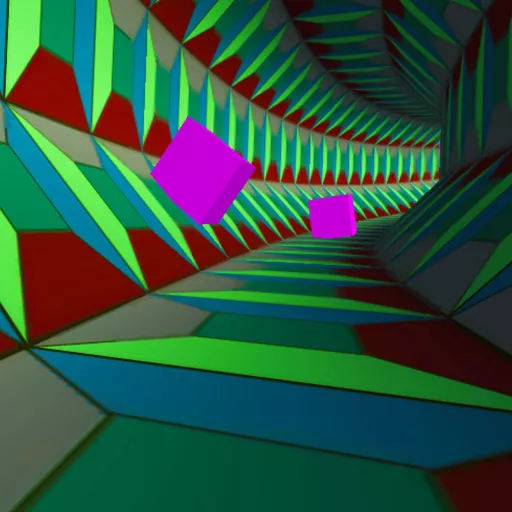
Tunnel Rush 2 – Navigate high-speed tunnel filled with obstacles requiring quick reflexes dodging barriers, featuring progressive difficulty-increases and color-shifting environments creating intense endless-runner where reaction-speed and spatial-awareness determine survival-duration throughout fast-paced tunnel-navigation demanding sustained focus.
Space Waves – Control arrow through cosmic tunnels filled with obstacles while maintaining momentum, testing reflexes across 33 difficulty-rated levels requiring precise timing and quick reactions in rotating environments with geometric hazards demanding spatial-awareness and pattern-recognition throughout space-themed obstacle-challenge.